Women for Justice Afghanistan (WJO)
Working towards an Afghanistan where all Afghan women and their families can live a life of dignity.
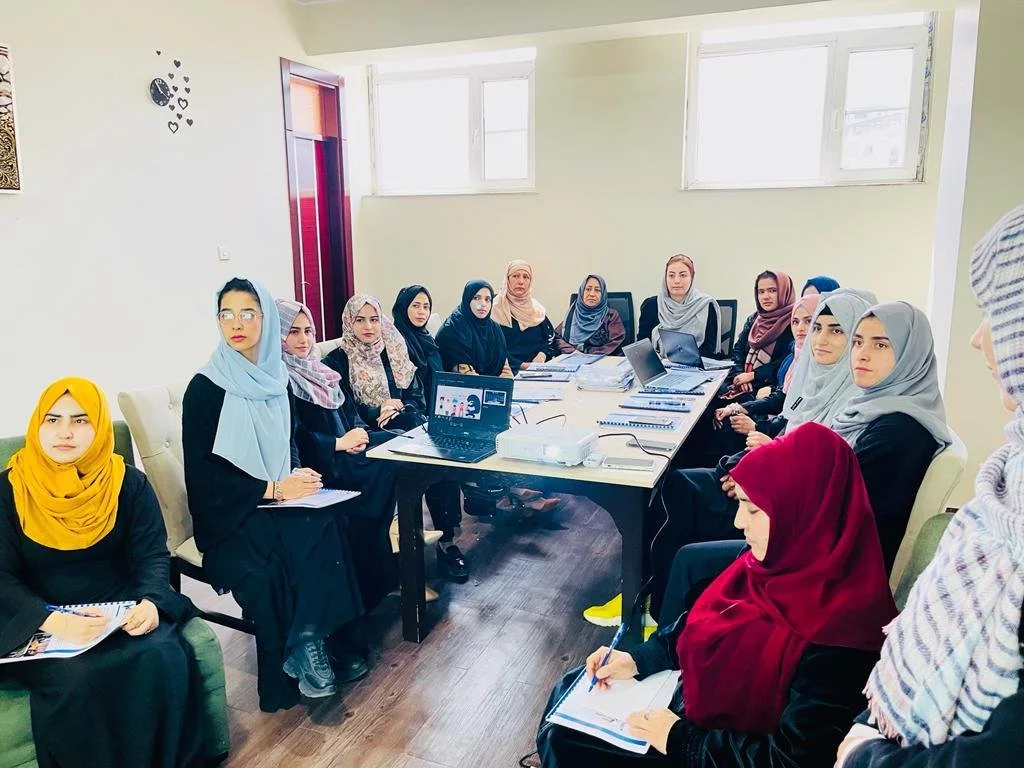
Women for Justice Organization (WJO) is a local Afghan non-profit, non-political, and non-sectarian organization registered with the Afghanistan Ministry of Economy (Ref. 4527 of 2018). Since September 2021, we have also held a formal Memorandum of Understanding (MoU) with the Ministry of Public Health.
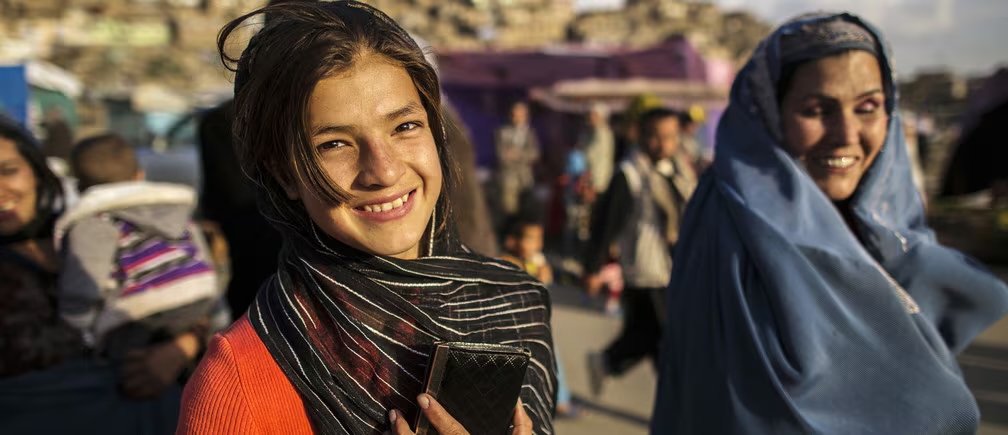
WJO is among the few organizations providing support to women, girls, and their families affected by war, trauma, social conflict, poverty, disease, natural disasters, and other forms of vulnerability and stigma. We do this through integrated, survivor-centered services grounded in intersectional and trauma-informed approaches, and, based on the principles of Islam.
Our Vision
WJO works towards building a peaceful Afghanistan, where vulnerable populations are free of psychosocial challenges and trauma and have access to economic, health and education services.
Our Mission
Our mission is to serve women, children and their families affected by war and family conflicts. We also empower our clients to forge a brighter future for themselves, their families, and their communities.
Context of Afghanistan
Afghanistan is a country that has experienced several decades of war and these wars have left a great impact on the mental health of people in society, including men, and, especially women and their children. During these years, Afghans have faced economic and social problems. Various research show that a high degree of depression and other psycho-social problems is prevalent among Afghans as a result of war, food and water insecurity, economic problems and social trauma.
For example, many women suffer from malnutrition, poor hygiene, difficulties in pregnancy and childbirth, miscarriage, infant mortality, post-partum depression, disability, and food insecurity. We see this in high incidences of anxiety, sadness, depression, aggressive behavior, sleep and eating disturbances, nightmares, traumatic reactions and body pain. These symptoms have been recognized by the Ministry of Public Health Basic Package for Health Services, as a public health issue.
These symptoms are not limited to women themselves; they also affect their families and children, often resulting in disputes and even trauma when mental health challenges go unaddressed. For example, economic strain within the household can lead to frustration, which may escalate into trauma among family members or neglect and harm toward children. Because women play a central role in caring for the home and raising children, their mental, physical, and social well-being is essential. When women are healthy, they can raise their children with peace of mind and foster a nurturing family environment. In turn, children who grow up in such an atmosphere are more likely to become well-adjusted adults with strong communication and interpersonal skills.
Our Programs
-
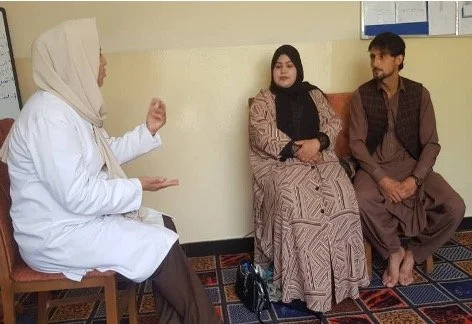
Family Counselling & Awareness-Raising
We raise awareness of our clients in our counselling centers to promptly and effectively identify those who are experiencing psychosocial symptoms, or family problems, enabling early intervention and support, for them and their families.
-
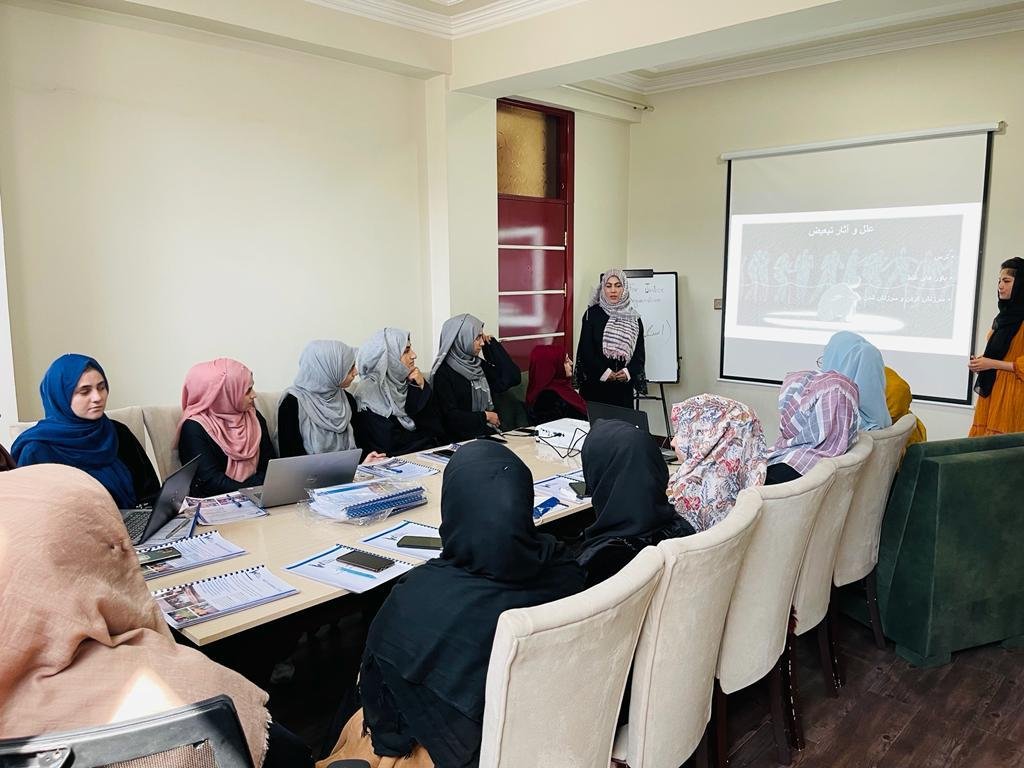
Capacity Building for Professionals
We build the capacity of social, and health professionals in the public sector and NGOs, focusing on psychosocial and health-related issues, to improve service quality for survivors.
-
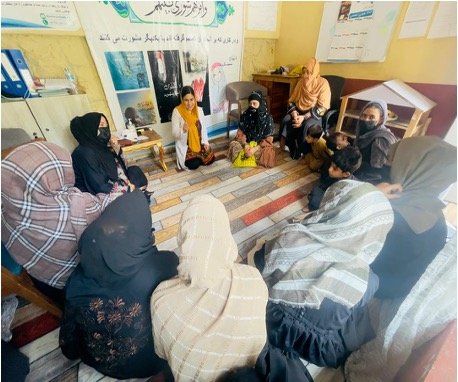
Self-Care and Psychological Coaching
Our staff receives psychological support and self care sessions by international experts in the field of psychological trauma to avoid vicarious trauma as they are exposed to continued traumatic events. Further, we monitor the program implementation and provide case supervision and on-the-job training to our team to ensure quality of service to the survivors.
-
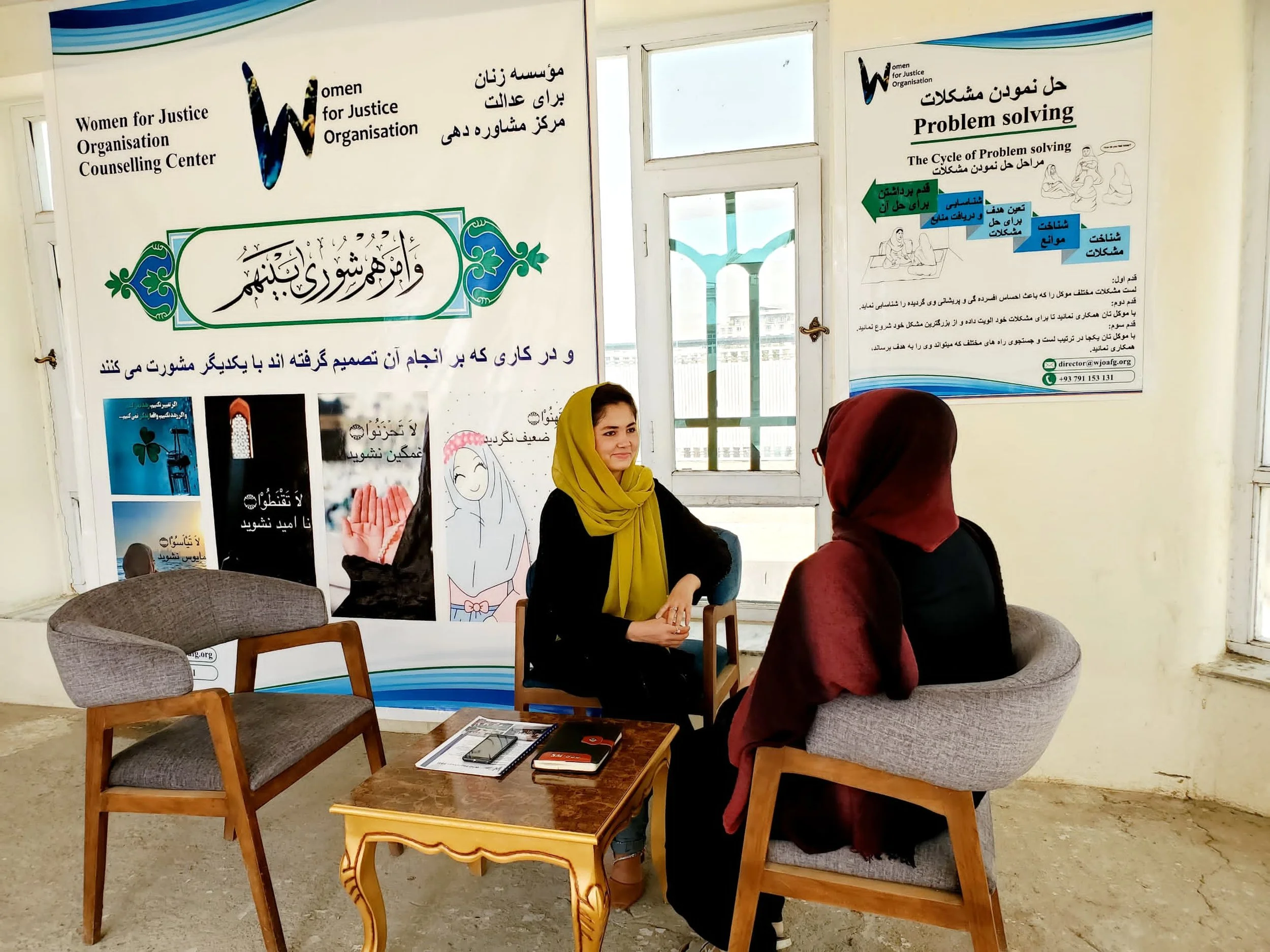
Psychosocial Counselling & Life Skills
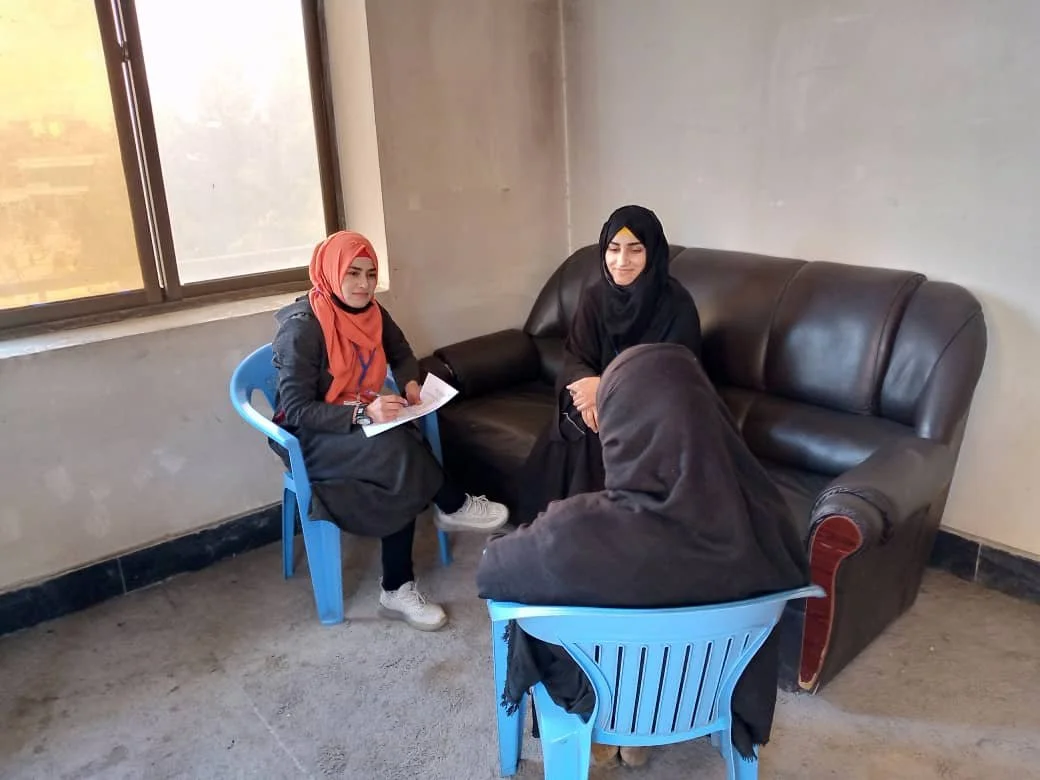
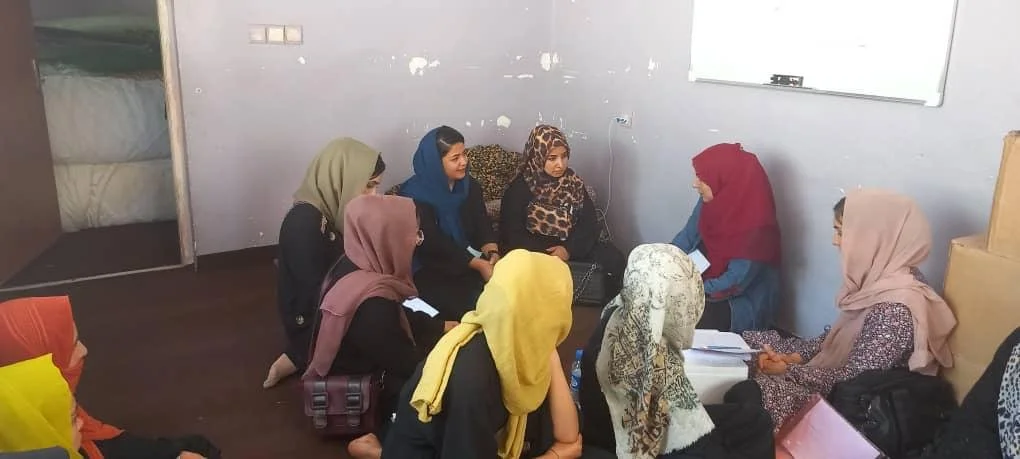
We deliver individual and group counselling to clients recovering from trauma. We also conduct in-bed counselling in the hospital wards, and, emergency counselling for crisis cases.
Our psychosocial support approach
Our program aims to help our clients and families to develop coping skills, prevent the reactivation of traumatic symptoms, build resilience, gain a sense of empowerment, and heal so that they and their families can thrive.
Our work is based on trauma and stress-relief methods to strengthen coping mechanisms, and increase resilience to trauma.
We do not provide clinical diagnosis. Clients with serious mental-health conditions or PTSD are referred to specialized mental-health hospitals—an established practice within our programs. After receiving medical treatment, clients may be referred back to WJO for continued counselling support.
“I found my life miserable and painful, and I attempted to commit suicide twice, but my children helped me to survive. A close relative helped me to visit a tailoring center to learn stitching skills. In the meantime, they referred me to the WJO counseling center to meet the assigned psychologist.
The counselling sessions helped me to have a new life and to be hopeful. Now I have a better relationship with my children, and they accepted that their father died in an accident and meanwhile, I am earning AFN 50 per month stitching clothes for internally displaced persons’ children.”
- Client, Kabul
Approaches
Survivor-Centered
Our clients are at the heart of every intervention, and their protection, safety, and empowerment are our key priorities.
Our guiding principles include the right to safety, the right to confidentiality, the right to dignity and self-determination, and the right to non-discrimination, which we ground based on the principles of Islam.
We are also mindful of the socialization processes and survival modes that can both enable and constrain empowerment.
Our psychosocial counsellors are regularly trained on the above aspects which is based on our quality-assurance system to ensure we meet professional standards of engagement with survivors.
Trauma-Informed
We also use a trauma-informed approach in our counselling.
All our staff are trained to understand how stress, adversity, and traumatic experiences affect a person’s emotions, behaviour, and ability to cope. This helps us create interactions, services, and environments that avoid causing further harm and support each person’s sense of safety, control, and dignity.
Our staff communicate with care and avoid actions that might cause additional distress to survivors or colleagues. We also ensure that staff are aware of their own stress and emotions, leading to better care, stronger trust, and improved healing for survivors.
Intersectionality
WJO applies an intersectional lens across all our work, ensuring that our services respond to the diverse and overlapping forms of vulnerability experienced our clients.
We recognise that risks do not occur in isolation; they are shaped by social identity, family circumstances, displacement, and structural barriers. In our context, these factors include displacement, widowhood, pregnancy, age, disability, ethnicity, language, class, education level and geographic location amongst other things.
Our team understands the district-level barriers, social norms, and the lived realities of the clients we support.
We apply an intersectional approach when identifying clients for support, prioritising those most affected by overlapping vulnerabilities.
Be part of our work in solidarity
Whether you’re looking to support, collaborate, or work with us, there’s a place for you in our work.
Partner with Us
We actively seek partnerships with other organisations to provide referrals and complementary services to improve the quality and type of services for our clients and their families.
Work with Us
If you are a current or aspiring social worker, doctor or psychologist, check out vacancies in our Employment Page (Afghan Nationals Only).
Support Our Mission
Your donations makes it possible for us to continue our much needed and urgent work. Reach out to us by emailing us at director@wjoafg.org.